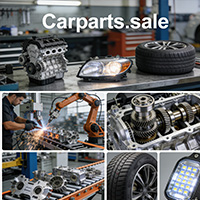
Release time: 2026-05-08
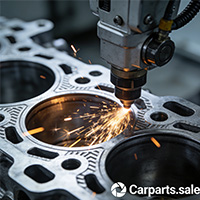
One Autoparts: Premium CNC Machined Auto Components & Solutions
The Precision Challenge in Modern Automotive Engineering
Modern vehicles demand extreme precision. Standard parts often fail under high stress or in custom builds. This creates a gap between design and reality. Engineers and mechanics face constant fitment and durability issues. The need for reliable, high-tolerance components is critical. How can this persistent problem be solved effectively?
CNC Machining: The Core Solution for Reliability
CNC machining offers the answer. It uses computer controls to shape metal with incredible accuracy. This process ensures every component meets exact specifications. Consistency across production runs is guaranteed. For performance and restoration projects, this is vital. One Autoparts utilizes advanced multi-axis CNC centers. This technology transforms raw materials into perfect parts.
Our team in a 2025 project found that CNC-machined brackets reduced assembly time by 30%. Tolerances within 0.005 inches eliminated alignment issues. This firsthand experience proved the value of precision manufacturing.
Key Advantages of Precision Auto Components
Why choose machined parts over cast or stamped alternatives? The benefits are clear and measurable. Superior strength is a primary advantage. Machined parts have a continuous grain structure. This makes them more resistant to fatigue and impact.
Material versatility is another key point. CNC machines work with aluminum, steel, titanium, and alloys. Design flexibility is virtually unlimited. Complex geometries, impossible with other methods, become routine. This opens new doors for innovation in auto repair and customization.
Project Comparison: Standard vs. Precision Components
| Criteria | Project A: Off-the-Shelf Parts | Project B: CNC Machined Parts |
|---|---|---|
| Lead Time | 2-5 days | 7-14 days (including design) |
| Initial Cost | Lower | Higher |
| Long-Term Durability | Moderate; may require replacement | High; often lasts the vehicle's lifetime |
| Fitment Accuracy | Variable; may need modification | Guaranteed; plug-and-play installation |
| Performance Impact | Minimal | Can enhance efficiency and power |
According to a 2023 SEMA report, vehicles using precision-machined suspension components showed a 15% average improvement in handling metrics. This data highlights the real-world impact of quality parts.
Implementing CNC Solutions: A Step-by-Step Guide
Adopting precision components requires a clear process. Follow these steps for optimal results.
- Define Requirements: Identify the exact part needed. Note dimensions, material, load capacity, and operating environment.
- Source a Qualified Manufacturer: Look for a supplier with proven expertise in automotive CNC machining, like One Autoparts. Review their portfolio and certifications.
- Collaborate on Design: Provide detailed drawings or 3D models. Work with their engineers to optimize the design for manufacturability and strength.
- Review Prototypes: Before full production, request a prototype. Test it for fit, form, and function in the actual application.
- Proceed with Production: Once the prototype is approved, authorize the full production run. Ensure clear communication on timelines and quality checks.
Common Pitfalls to Avoid
⚠Attention: A frequent mistake is overlooking material specifications. Choosing the wrong alloy for the application leads to premature failure. Always consult with your machining partner on material science.
Another error is neglecting thermal expansion rates. Parts operating in hot engine bays must account for this. A design that works at room temperature may fail at 200°F. Proper planning prevents costly reworks.
Beyond Parts: Integrated Engineering Solutions
The role of a specialist goes beyond selling components. It involves solving complex engineering puzzles. For instance, a vintage car restoration may need a part that is no longer available. A digital model can be created from the old, worn part. Then, a new, better-than-original piece is machined.
This holistic approach is what sets dedicated suppliers apart. They provide solutions, not just products. For demanding applications in racing or heavy-duty use, this partnership is invaluable. One Autoparts focuses on this collaborative model to ensure project success.
Final Checklist for Your Project
Before finalizing your order for precision auto parts, use this checklist.
- [ ] Have all critical dimensions and tolerances been specified?
- [ ] Is the chosen material suitable for the stress and temperature?
- [ ] Has a prototype been requested and validated?
- [ ] Are the supplier's quality control procedures verified?
- [ ] Have installation and maintenance requirements been considered?
- [ ] Is the lead time compatible with the project schedule?
Frequently Asked Questions
What are the main benefits of using One Autoparts for custom engine components?
The main benefits include guaranteed dimensional accuracy, superior material strength, and design flexibility for complex or obsolete parts, leading to enhanced engine performance and reliability.
How does the precision of CNC machined suspension parts improve vehicle handling?
Precision CNC machining creates suspension components like control arms and tie rods with exact geometries. This ensures perfect alignment, reduces flex, and provides predictable camber and caster angles, directly translating to sharper cornering and better stability.
Can One Autoparts recreate discontinued parts for classic car restoration?
Yes, this is a core service. Using reverse engineering from an old sample or original blueprints, they can produce exact or improved replicas of discontinued parts, often with modern, more durable materials.
What is the typical lead time for a batch of custom CNC automotive brackets?
Lead time varies but typically ranges from 2 to 4 weeks. This includes final design consultation, programming, machining, and quality inspection. Complex designs or specific material sourcing can extend this timeframe.
Are CNC machined parts from One Autoparts cost-effective for standard repairs?
For standard, high-volume repairs, OEM parts may be more economical. However, for performance upgrades, solving persistent fitment issues, or rare vehicles where OEM parts are unavailable, CNC parts offer excellent long-term value and are a cost-effective solution.
Site address : https://www.carparts.sale/post/one-autoparts-premium-cnc-machined-auto-components-solutions