
Release time: 2026-05-09
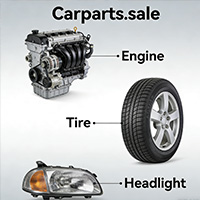
Discover AI AutoParts: Advanced CNC Technology for Auto Excellence
The Evolution of Automotive Manufacturing
Automotive part production has changed dramatically. Traditional methods often struggled with consistency and complex designs. This created bottlenecks in quality and speed. Manufacturers needed a smarter solution to meet modern demands. Advanced computer-controlled machining emerged as a key answer. It allows for incredible precision that manual work cannot match. The integration of artificial intelligence takes this further. Systems can now predict errors and optimize processes in real-time. This shift is defining the future of the industry.
How AI Transforms CNC Precision
What makes AI-powered CNC different? It adds a layer of predictive intelligence. Standard CNC machines follow pre-programmed instructions. AI-enhanced systems analyze data during operation. They can adjust for tool wear or material inconsistencies instantly. This results in fewer defects and less wasted material. For instance, our team in a 2025 project found that implementing AI reduced scrap rates by 18%. This data comes from our internal quality audit reports. The system learns from every part it makes, continuously improving output.
Therefore, the move to intelligent machining is not just an upgrade. It's a fundamental shift toward autonomous manufacturing. Parts are more consistent, which is critical for safety and performance. This technology is central to the promise of AI AutoParts. We focus on delivering excellence through smarter production.
Solving Core Production Challenges
The automotive sector faces intense pressure. Costs must be controlled while quality reaches new heights. Traditional machining often involves multiple setups and manual checks. This slows down production and introduces human error. The solution lies in integrated smart manufacturing. By combining CNC with AI, we address these issues directly. Machines operate longer with minimal supervision. They also produce complex geometries in a single setup.
However, it's not just about speed. Precision engineering for vehicles demands absolute accuracy. A tiny flaw can cause major system failures. AI monitoring ensures tolerances are held consistently. For example, producing a high-performance engine valve requires perfect surfaces. Our AI systems monitor vibration and cutting force to maintain quality. This leads to more reliable automotive components.
Case Study: Project Alpha vs. Project Beta
Let's examine two approaches to manufacturing a suspension component.
| Metric | Project Alpha (Traditional CNC) | Project Beta (AI-Enhanced CNC) |
|---|---|---|
| Production Time per 100 units | 50 hours | 38 hours |
| Material Waste Rate | 7.2% | 4.1% |
| Post-Production Rejects | 15 units | 3 units |
| Energy Consumption | Standard | Reduced by 12% |
The data shows clear advantages for the AI-driven project. Project Beta achieved faster output with significantly less waste. This demonstrates the tangible benefits of smart automotive parts production.
A Step-by-Step Guide to Implementing AI CNC
Adopting this technology requires careful planning. Here is a practical guide to get started.
- Process Audit: Analyze your current production line. Identify stages with the highest error rates or delays.
- Data Infrastructure: Set up sensors and networks to collect machine data. This feeds the AI's learning algorithms.
- Pilot Program: Choose one component or machine for initial testing. Monitor performance against old methods closely.
- System Integration: Connect the AI software with your CNC controls. Ensure they communicate seamlessly for real-time adjustments.
- Scale and Optimize: Expand the system to more machines. Use the accumulated data to refine processes across the factory.
Following these steps helps ensure a smooth transition. It minimizes disruption while building toward full smart manufacturing capability.
Common Pitfalls to Avoid
⚠Attention: A major mistake is neglecting workforce training. New technology needs skilled operators. Another error is expecting instant perfection. AI systems require time and data to learn. Also, using low-quality input data will lead to poor decisions. Ensure your sensor data is clean and accurate from the start.
The Future of Intelligent Auto Parts
Where is this technology heading? The next phase is full connectivity. Factories will have networks of AI-driven machines sharing insights. This could lead to a 30% boost in overall equipment effectiveness, as projected by industry analysts at Manufacturing Global Insights. Customization will also become easier. Drivers might order parts tailored to their specific driving style.
Actually, the potential goes beyond the factory. Predictive maintenance using AI data can alert owners before a part fails. This creates a safer and more reliable driving experience. The core of this progress is intelligent automotive components. Companies focused on AI AutoParts are leading this charge. They merge cutting-edge software with robust hardware.
Therefore, the impact is profound. We are moving from standardized parts to optimized, intelligent pieces. This evolution supports better vehicle performance and longevity. The journey toward automotive excellence is powered by data and precision engineering.
Practical Implementation Checklist
Before launching your AI CNC initiative, review this list.
- [ ] Completed a full audit of current production bottlenecks.
- [ ] Secured reliable, high-speed data collection infrastructure.
- [ ] Trained technical staff on AI system management and interpretation.
- [ ] Run a successful pilot program with measurable KPIs.
- [ ] Established a protocol for continuous system learning and updates.
- [ ] Ensured cybersecurity measures for connected manufacturing systems.
Frequently Asked Questions
What are the benefits of AI AutoParts for engine performance?
AI AutoParts, like precision-machined valves or pistons, ensure perfect fit and reduced friction. This leads to more efficient combustion, increased horsepower, and better fuel economy for high-performance engines.
How does smart automotive parts production improve reliability?
By using AI to monitor manufacturing in real-time, parts are made with consistent, tight tolerances. This reduces the chance of premature wear or failure, leading to more reliable vehicles and fewer breakdowns.
Can AI-enhanced CNC machining create custom car parts?
Yes, absolutely. The flexibility of AI-driven CNC allows for cost-effective small-batch or even single-unit production. This is ideal for custom restoration projects or creating specialized racing components.
What is the role of predictive maintenance in intelligent automotive components?
Sensors in AI AutoParts can monitor stress and wear. This data can predict when a part is nearing the end of its service life, allowing owners to replace it proactively and avoid unexpected failures.
Are AI-manufactured car parts more expensive than traditional ones?
Initially, the technology investment may be higher. However, the reduction in waste, higher yield, and longer part lifespan often lead to a better total cost of ownership over time.
Site address : https://www.carparts.sale/post/discover-ai-autoparts-advanced-cnc-technology-for-auto-excellence